Video Nystagmography (VNG) Testing
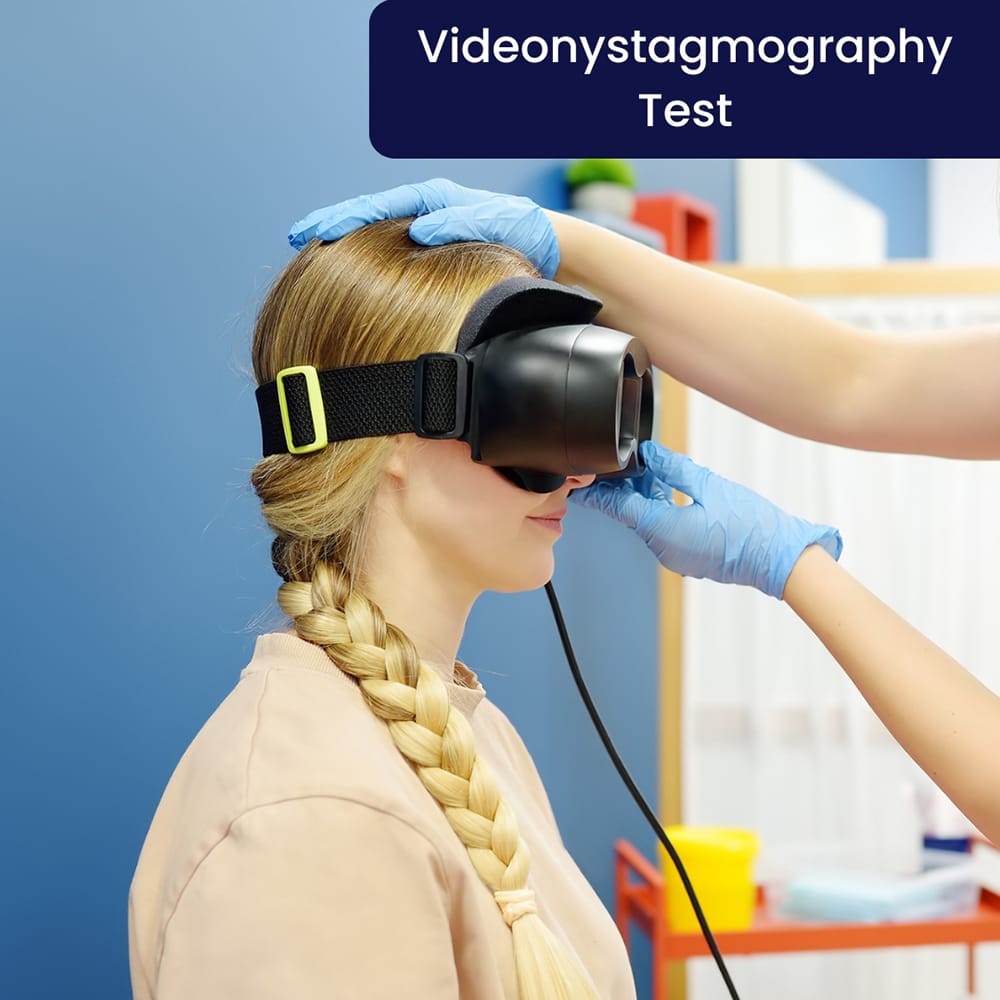
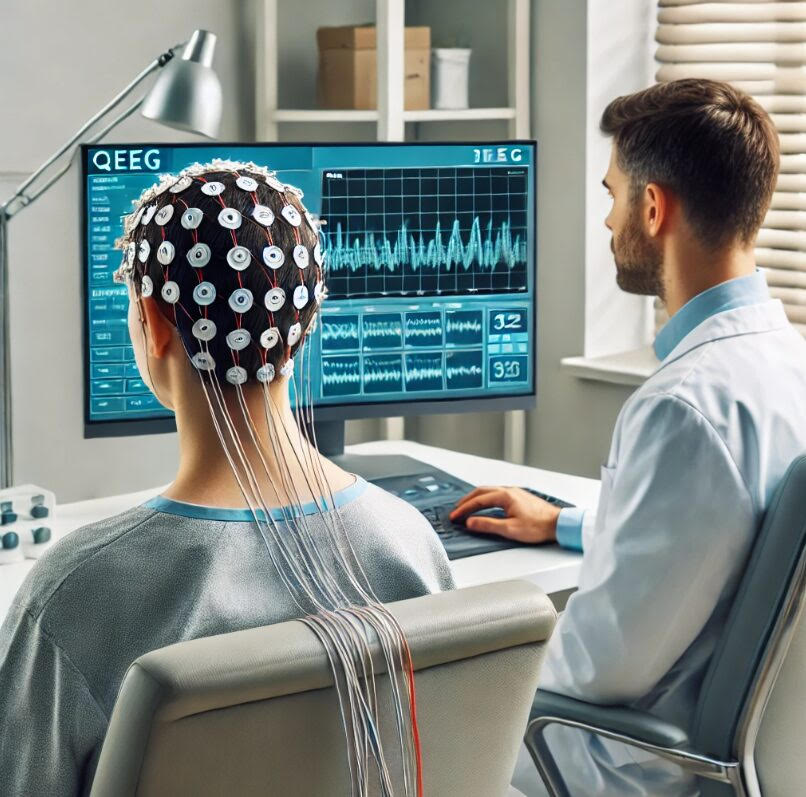
An advanced, non-invasive diagnostic evaluation using infrared video goggles to record involuntary eye movements (nystagmus) and assess vestibular, oculomotor, and brain function—particularly useful for dizziness, vertigo, and post-concussion symptoms.
Concussions often disrupt the vestibulo-ocular reflex and precision eye-tracking, causing persistent imbalance or visual issues even when standard anatomical imaging appears completely normal. VNG objectively measures these subtle functional changes through a battery of targeted sub-tests.
Key components evaluated include:
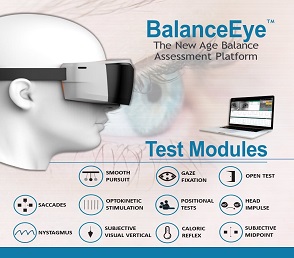
- Spontaneous and gaze-evoked nystagmus: Checking for involuntary eye drifting while resting or staring at static points.
- Positional testing: Measuring tracking responses while moving the head or body into specific angles.
- Saccades and smooth pursuits: Evaluating the brain's ability to track quick targets or follow fluid motion.
- Optokinetic responses: Measuring eye reflexes when tracking a continuously repeating sequence of moving objects.
- Vestibulo-ocular reflex (VOR): Evaluating the inner ear-to-eye connection during head rotation.
- Caloric stimulation: Assessing individual inner ear pathways utilizing safe, microscopic warm/cool elements.
VNG testing is used in two primary ways:
- Diagnostic Evaluation — Identifies vestibular or central neural abnormalities contributing to post-injury symptoms like dizziness or unsteadiness.
- Progress Monitoring — Tracks granular, objective improvements in your eye movement and baseline balance function during rehabilitation.
The procedure takes 45–90 minutes in a darkened room with comfortable, lightweight infrared goggles. Mild temporary dizziness may occur during parts of the test, but this is entirely expected and resolves quickly. It stands as a key objective tool in comprehensive care, combined with targeted patient assessments and clinical judgment.
Benefits of Video Nystagmography (VNG) Testing
- Delivers precise, objective metrics on underlying vestibular and motor function.
- Differentiates peripheral (inner ear issues) vs. central (brain signaling issues) causes of your symptoms.
- Detects nuanced post-concussion deficits directly causing ongoing tracking dizziness or imbalance.
- Provides baseline indicators that guide targeted vestibular rehabilitation and personalized therapy.
- Supports logical, data-backed recovery tracking and active return-to-play or return-to-work decisions.
VNG remains a gold-standard diagnostic tool trusted by modern concussion clinics, advanced neurology centers, ENT offices, and physical rehabilitation practices worldwide.
If you're dealing with persistent dizziness, vertigo, or balance issues after a head injury, discuss VNG testing with one of our providers today.
For more clinical baseline information, explore resources from MedlinePlus, Cleveland Clinic, or specialized vestibular and concussion programs.